







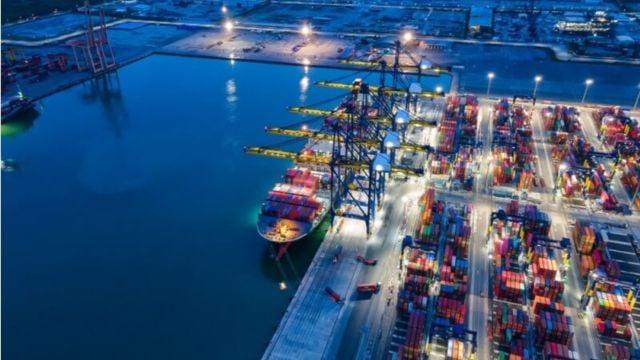
Driven by omni-channel growth and multinational expansion, the global logistics industry is booming — and it’s expected to reach $18 trillion in value by 2030. While market growth is exciting, it’s typically accompanied by growing pains.
As the size and scale of their worldwide supply chains increase, many manufacturers, retailers and distributors are finding themselves constrained by shortfalls in resources, capacity and specialized knowledge.
Shippers need more labor to keep their transportation and distribution activities moving, but employees are becoming harder to find and more expensive to retain. They need new trucks, new warehousing space, new micro-fulfillment facilities — but high interest rates and rising real estate prices make them reluctant to invest. Nearshoring, cross-border customs, new tariffs and emerging emissions requirements are fueling the need for specialized expertise. Given today’s demand volatility and economic uncertainty, companies are wise to approach any internal logistics expansion plans with extreme caution.
At the same time, logistics service providers (LSPs) are also feeling pressure. As freight carrier rates and fuel prices rise, and competition for customers heats up, their margins are shrinking. Both carriers and LSPs are exiting the U.S. market at record rates during what experts are calling a freight recession. The logical move for growth-oriented LSPs? Expand their services to capture new revenue.
More and more LSPs are adopting the fourth-party logistics (4PL) business model, in which they offer complete, turnkey management of customer supply chains. In addition to storing and moving freight, they’re designing networks, managing and fulfilling orders, allocating and optimizing inventory, tracking and tracing shipments, measuring and reporting emissions, assuming ownership for supplier relationships, and handling billing and other administrative tasks — in other words, assuming full responsibility for the entire supply chain.
Logistics outsourcing makes good business sense for both parties in today’s fast-paced, complex logistics landscape. After all, why not match the urgent need of shippers to manage growing logistics size, scale and complexity with the specialized expertise and resources of 4PLs — who are seeking revenue growth? It’s no surprise that the global market for logistics outsourcing is expected to increase from $1.043 trillion in 2023 to $1.642 trillion by 2032. According to a recent study, 87% of shippers expect to increase their outsourced activities in the next year.


