








January marks the start of a brand new year. That means consumers everywhere are making resolutions, joining gyms, journaling, cutting back on alcohol and calories, and engaging in other self-improvement activities.
Unfortunately for the world’s retailers, consumers are also returning products. A lot of products. Whether it’s unwanted Christmas gifts, that dress they never wore to the office party or the holiday punch bowl that wasn’t needed after all, retailers are seeing a veritable blizzard of returns this month — a phenomenon that’s become known in the industry as “Returnuary.” And, since the cost of processing a return averages about 30% of the product’s original price, this storm of product returns is every retailer’s nightmare.
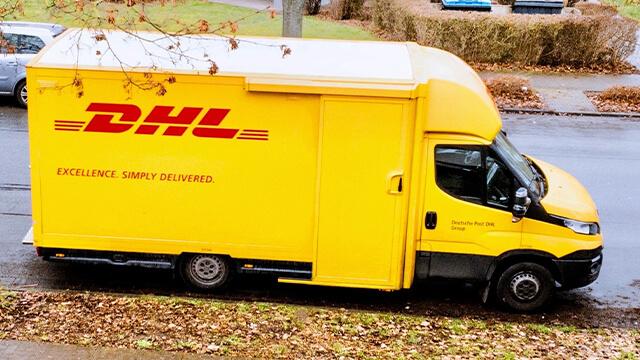
As retailers have become more aware of the cost of returns, some consumers will also encounter a nightmare scenario this month: It may not be as easy to return products as it once was. As consumers drop their returned merchandise in the mail, or hand it over to a carrier, they might encounter new, unexpected fees. When they visit the returns desk at a store, they might be informed that they’re outside the new 15- or 30-day return window. A Blue Yonder survey done in partnership with Incisiv shows that 57% of retailers have 5-15% of inventory value held up in returns processing
But the retail industry is divided over these tough new tactics, and with good reason. First, they might discourage shoppers from making a purchase, since over two-thirds of consumers say they’re deterred by strict return policies.
Second, retailers might offend and drive away loyal, well-intentioned shoppers who would otherwise have a high lifetime value. According to the National Retail Federation (NRF), 67% of shoppers report that a negative return experience would keep them from shopping with a specific retailer in the future. That moment when a retailer forbids a well-meaning consumer from returning a $39 sweater could have a much, much higher cost in the long run.
So what can retailers do to survive Returnuary with their short-term margins intact, while still driving longer-term, loyalty-based revenue? Here are three tips from Blue Yonder.
