






Is your supply chain holding you back?
For automotive manufacturers, the modern supply chain has never been more complex. Increased customization, shorter lead times and global supply volatility that spans multiple tiers have turned what once was a linear process into a network of interdependent partners. Without integrated systems and visibility across both the enterprise itself and its multi-tier network, suppliers struggle to meet expectations while keeping costs under control.
Two major challenges consistently hold automotive manufacturers back: Disjointed logistics that drive up total cost of ownership and blind spots that limit resilience across the supply chain network.
Disjointed logistics and high total cost of ownership
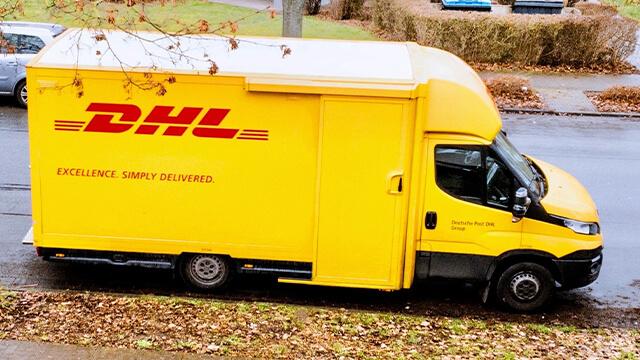
Fragmented planning, transport and warehousing systems create inefficiencies that ripple through the supply chain. Logistics teams often struggle to coordinate deliveries between multiple suppliers, resulting in missed assembly slots and last-minute expedited shipping. These reactive operations increase labor and transportation costs, reduce on-time delivery performance, and limit visibility across the network.
KPIs affected by these gaps include transportation costs as a percentage of revenue, expedite transfer costs, service levels, and total supply chain costs. For n-tier suppliers, these inefficiencies not only hurt margins but also strain relationships with OEMs and other partners in the tiered supplier network.
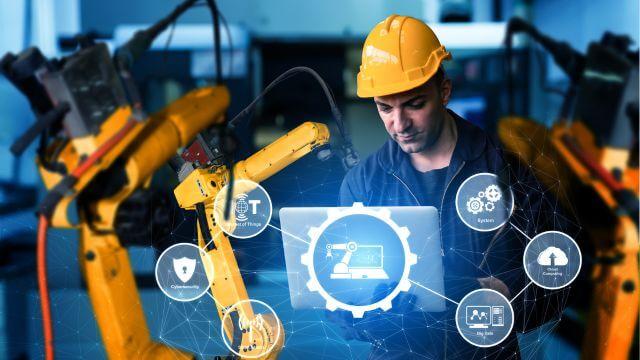
To solve these challenges, manufacturers need unified logistics solutions that integrate planning and execution functions, and connect them with the collaboration and transparency provided by a connected multi-enterprise network. TMS, WMS, OMS, and the Network work together to provide real-time coordination and predictive insights. AI-powered capabilities monitor for delays and optimize routing, trailer prioritization, labor allocation, and appointment scheduling. The result is a supply chain that is not only more cost-efficient but also more responsive to dynamic demand and production schedules.
With a Supply Chain Control Tower or Supply Chain Command Center, automotive manufacturers can gain a centralized view of transport, warehousing, and order fulfillment, not only within the enterprise, but across the nth-tier of the supply chain network. This unified platform transforms logistics from a reactive cost center into a competitive advantage. Companies leveraging integrated WMS software and TMS software report improved adherence to delivery dates, reduced expediting costs, and enhanced overall network efficiency.
