








Pride is celebrated every year in June. It is a month-long observance dedicated to the celebration and history of the LGBTQ+ community and commemorating their contributions. With June having passed, Blue Yonder associate Randy Buffon reflects on the meaning of pride and what it means to him.
When I think of Pride, a few thoughts come to mind, and I’d like to share them with all of you as part of being visible and part of the LGBTQ+ community.
First, I think it's helpful to begin with the definition of the word pride:
Pride:
• The state or feeling of being proud; a becoming or dignified sense of what is due to oneself or one's position or character—self-respect, self-esteem, and the pleasure or satisfaction taken in something done by or belonging to oneself or believed to reflect credit upon oneself.
• A feeling of deep pleasure or satisfaction derived from one's own achievements, the achievements of those with whom one is closely associated, or from qualities or possessions that are widely admired.
• Confidence and self-respect as expressed by members of a group—typically one that has been socially marginalized—on the basis of their shared identity, culture, and experience.
Very personally, Pride represents a lifetime journey toward self-acceptance—embracing the true essence of who I am. I can proudly declare that I am a bisexual man who is married to a woman. I am proud of who I am, and of the acceptance I’ve found in myself, and through the love of others who accept me as I am. The ability to accept myself has enabled me to open my eyes to others.
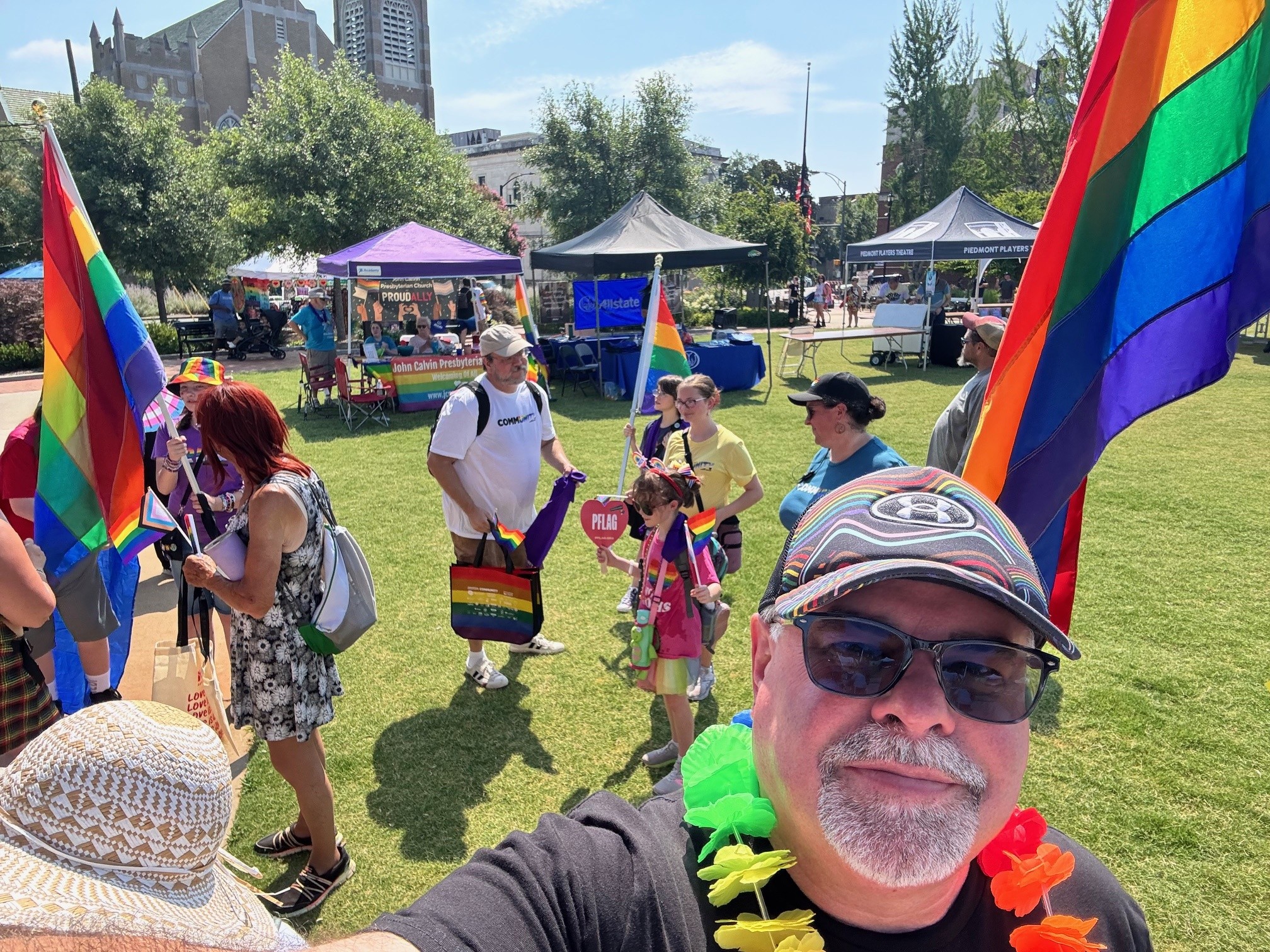
Society and cultural norms often define what is considered “right”—who you love, what success should look like, and how you’re expected to live your life. Navigating these expectations over the course of your life—especially when you don’t feel free to be honest with yourself or others—can be exhausting and emotionally damaging.
There’s a lot of discussion these days around why LGBTQ+ people feel the need to participate in Pride events. I can’t speak for the millions who will attend Pride events around the world in 2025, but I can speak for myself: Pride gives me the chance to be seen. It allows me to see others who share parts of my story and my journey. It’s not about forcing anyone to participate or convincing others to accept every aspect of Pride celebrations. It’s about showing that we exist—we are part of every community, and we are human beings who deserve dignity, rights, and the pursuit of happiness.
Yes, Pride events often include parades—and yes, people show up in all kinds of clothing and costumes. But how is that really different from a Fourth of July parade? People come together because they’re proud—whether it’s pride in their country or pride in their identity. Both parades are celebrations of something meaningful. For me, the most powerful part of Pride isn’t the spectacle. It’s the community. It’s being with others who feel the same pride in who they are. That sense of belonging, of shared experience, brings me deep joy and peace.
When I think about the first Pride event—born out of the Stonewall Uprising in 1969—I see it not just as a protest, but as a declaration. It was a moment when members of the LGBTQ+ community, many of whom had been marginalized, criminalized, and silenced, stood up and said, “No more.” The first Pride was raw, urgent, and unapologetically brave. It wasn’t about rainbow flags or parades—it was about survival, resistance, and claiming humanity. And in that way when I attend Pride there is reaffirmation of those that came before and fought the fight for human rights. Therefore, I am eternally grateful and admire those brave souls who stood up for themselves and LGBTQ+ community. So, why am I proud this Pride season?
Because I can be myself. I’m not afraid to share who I am and the journey I’ve taken over the past six decades. I hope others—whether you're part of the LGBTQ+ community or an ally cheering from the sidelines—can also step forward. You'll know when it's time to say, “I am proud of who I am.” It matters that I show up and be visible just like those did at the first Pride event in 1970. And when that day comes, you’ll feel a peace within yourself that no one else can take away—no matter what they may say, think, or do.